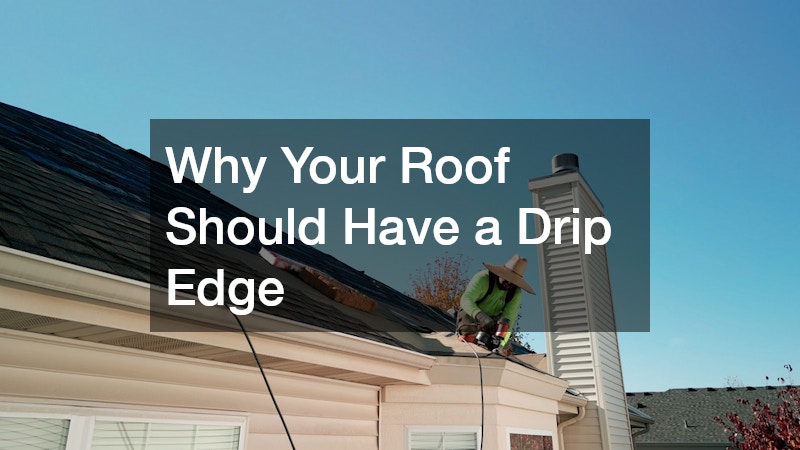
Understanding the importance of a drip edge for your roof is crucial for protecting your home from water damage. While it may seem like a small and often overlooked detail, a drip edge plays a major role in directing water away from vulnerable areas of your home. Without it, moisture can seep into places it does not belong, leading to costly repairs over time.
What is a Drip Edge and Why is it Essential?
Definition and Purpose of Drip Edge
A drip edge is a metal flashing installed along the edges of a roof, typically at the eaves and rakes. Its primary purpose is to guide water away from the roof and into the gutters instead of allowing it to run behind them.
By creating a clean edge for water to drip from, it prevents moisture from coming into contact with the fascia, soffits, and underlying roof structure.
Benefits of Installing a Drip Edge
Installing a drip edge provides several important benefits. It helps prevent rot and mold by keeping water away from wooden components. It also protects the roof decking from moisture intrusion, which can weaken the roof over time. Additionally, a drip edge helps deter pests, such as insects and rodents, from entering gaps along the roofline. Overall, it contributes to a more durable and weather resistant roofing system.
Comparison with Roofs Lacking Drip Edge
Roofs without a drip edge are far more susceptible to water related issues. Rainwater can wick back under shingles, leading to leaks and wood decay. Over time, this can compromise the roof’s structural integrity and shorten its lifespan. In contrast, roofs equipped with a drip edge manage water more effectively and maintain better long term performance.
How is a Drip Edge Installed?
Materials Required for Installation
Proper drip edge installation requires several materials. These include metal drip edge flashing, roofing nails, underlayment, shingles, and basic tools such as a hammer, measuring tape, and tin snips. The flashing is usually made from aluminum or galvanized steel to resist corrosion and withstand the elements.
Step by Step Installation Process
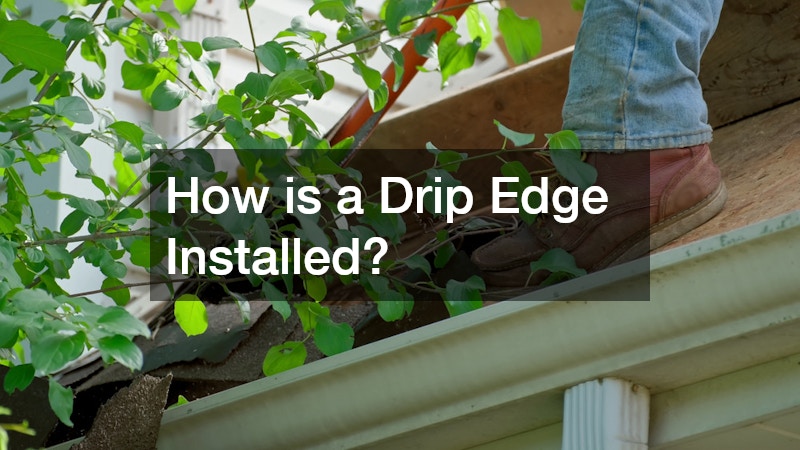
Installation begins with preparing the roof edge and ensuring it is clean and dry. The drip edge is installed along the eaves first, secured with nails spaced evenly. Underlayment is then laid over the drip edge at the eaves, while at the rakes the drip edge is placed on top of the underlayment. Shingles are installed last, overlapping the drip edge slightly to ensure proper water flow into the gutters. Careful alignment and secure fastening are key to effective performance.
Common Installation Mistakes to Avoid
One common mistake is installing the drip edge in the wrong order with the underlayment, which can allow water to seep underneath. Another error is using improper spacing for nails, leading to loose flashing. Cutting corners on material quality or skipping sections of the roof edge can also reduce effectiveness. Proper technique and attention to detail are essential for success.
What Are the Consequences of Not Having a Drip Edge?
Potential Water Damage
Without a drip edge, water can infiltrate behind gutters and soak into fascia boards and roof decking. Over time, this moisture can cause wood rot, mold growth, and even interior leaks. These issues often remain hidden until significant damage has already occurred, making repairs more expensive.
Effect on Roof Longevity
A missing drip edge can significantly reduce the lifespan of a roof. Constant exposure to moisture accelerates deterioration of shingles and structural components. This can lead to premature roof failure and the need for earlier replacement than expected.
Impact on Home Value and Insurance
Homes with visible water damage or roofing issues may suffer a decrease in property value. In some cases, insurance companies may deny claims if proper roofing components were not installed according to building codes. Many modern codes require drip edges, and professional roofing companies are well aware of these standards when performing installations or replacements.
A drip edge is a small yet vital component of a roofing system. Its installation can significantly influence the protection it offers your home by directing water away from critical areas. By understanding its importance and ensuring proper installation, you can prevent damage, extend the life of your roof, and maintain the overall value of your property. Investing in a drip edge today can save you from costly repairs and headaches in the future.